Installing Vmware Tools Standalone
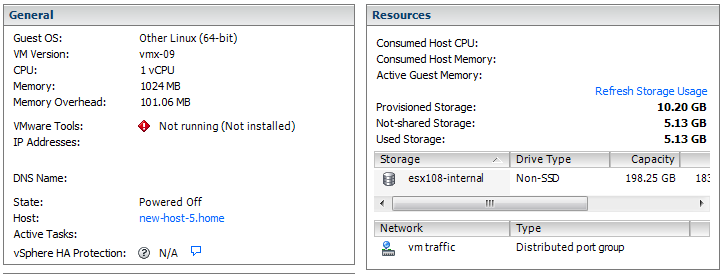
OVyVxxwdG9Q/UtfWi3p9weI/AAAAAAAAGFc/ILWB272ciLo/s1600/How-to-install-VMware-Tools-on-Ubuntu-10.04-in-VMware-Workstation-8-05.jpg' alt='Installing Vmware Tools Standalone Swf' title='Installing Vmware Tools Standalone Swf' />Installing VMware Tools in a Windows Virtual Machine. Contents. Previous Next. VMware Tools User Guide VMware Tools 10. This document supports the version of each product listed. Manually Installing VMware Tools on a Windows Virtual Machine 21. Install Vmware Tools Windows 2012 ableton live 9 suite authorization file auz autocad 2010 xforce keygen 64 omnioutliner windows. VMware vCenter Converter Standalone Users GuideITVMware vCenter Converter Standalone Users Guide vCenter Converter. VMware vCenter Converter Standalone 5 User GuideITVMware vCenter Converter Standalone 5 User Guide. It is very important that you install VMware Tools in the guest operating system. With the VMware Tools SVGA driver installed, Workstation supports significantly. Converting a VMware. VMware image. See Installing. Install VMware Tools on the. To install VMware Tools in a Windows guest operating system Ensure that your Windows virtual machine is powered on. Log in to the virtual machine as a user with. VMware Tools is a necessity while working inside of the VMware. I get the following message when installing VMWare tools. Cookies make wikiHow better. Installing VMware Tools in a Windows Virtual Machine. VMware Tools for Windows guest operating systems supports all Windows guest operating systems. The detailed steps for installing VMware Tools depend on the version of Windows you are running. The steps that follow show how to install VMware Tools in a Windows Server 2. Some steps that are automated in current versions of Windows must be performed manually in Windows 9x and Windows NT. Note If you are running GSX Server on a Windows host and your virtual machine has only one CD ROM drive, the CD ROM drive must be configured as an IDE or SCSI CD ROM drive. Installing Vmware Tools Standalone MeaningIt cannot be configured as a generic SCSI device. Installing VMware Tools in a Windows Guest Operating System. Power on the virtual machine. When the guest operating system starts, prepare your virtual machine to install VMware Tools. Choose VM Install VMware Tools. The remaining steps take place inside the virtual machine. Log in to the virtual machine as an administrator. Note You must be an administrator to install VMware Tools in a Windows guest operating system, unless the guest operating system is Windows Me, Windows 9. Windows. 4. If you have autorun enabled in your guest operating system the default setting for Windows operating systems, a dialog box appears after a few seconds. It asks if you want to install VMware Tools. Click Yes to launch the Install. Shield wizard. If autorun is not enabled, the dialog box does not appear automatically. If it doesnt appear, run the VMware Tools installer. Click Start Run and enter D setupsetup. D is your first virtual CD ROM drive. Note You do not use an actual CD ROM to install VMware Tools, nor do you need to download the CD ROM image or burn a physical CD ROM of this image file. The VMware GSX Server software contains an ISO image that looks like a CD ROM to your guest operating system and even appears as a CD ROM in Windows Explorer. This image contains all the files needed to install VMware Tools in your guest operating system. When you finish installing VMware Tools, this image file no longer appears in your CD ROM drive. The VMware Tools installation wizard starts. Click Next to continue with the VMware Tools installation wizard. The Setup Type dialog box appears. Choose whether you want to perform a typical, complete or custom installation. The installer uses this selection each time you upgrade VMware Tools. Typical Installation. A typical installation installs only those components used by GSX Server. For example, the driver to use shared folders a feature in VMware Workstation is not installed in a typical installation in a virtual machine created with GSX Server. A typical installation installs the utilities to enhance the performance of the guest operating system, and a set of drivers specific to GSX Server virtual machines the VMware SVGA driver, the VMware Mouse driver, the VMware SCSI driver and the VMware vmxnet networking driver the vlance driver is installed automatically when you created the virtual machine. If you plan on not using this virtual machine with other VMware products, such as VMware Workstation, you can use the typical installation. To choose the typical installation, select Typical, click Next, then go to step 7. Complete Installation. A complete installation installs the utilities to enhance the performance of the guest operating system, and all the drivers the VMware SVGA driver, the VMware Mouse driver, the VMware SCSI driver, the VMware vmxnet networking driver the vlance driver is installed automatically when you created the virtual machine and the shared folders driver for use by virtual machines with VMware Workstation. If you plan on using this virtual machine with other VMware products, use the complete installation. To choose the complete installation, select Complete, click Next, then go to step 7. Custom Installation. A custom installation lets you pick and choose which components to install. You can always run the installer again at a later date to install components you did not install the first time, or remove components you no longer want. Select Custom and click Next. The Custom Setup screen appears. In the Custom Setup screen, pick and choose the components to install. Click the arrow to the left of the component you do not want to install and select the appropriate option from the menu. If you need to determine how much free space is on the guest click Space. This is useful if you are choosing a custom installation due to limited disk space on your guest. If you want to install all the VMware Tools components in a directory other than the default, click Browse and select the directory. If the directory does not exist, the installer creates it for you. When you are ready to continue, click Next. If you want to change any settings or information you provided, now is the time to make those changes. Click Back until you reach the dialog box containing the information you want to change. Otherwise, click Install. The installer begins copying files to your host. You may see one or more Digital Signature Not Found dialog boxes when the installer begins to install the virtual drivers. You can safely ignore these warnings and click Yes or Continue to approve installation of the drivers. After the installer finishes installing the files, click Finish. Download Programming Hive Pdf Download there. If you installed the VMware SVGA driver, most Windows guest operating systems can use it only after you reboot the guest. With Windows XP guests, you do not have to reboot to use the new driver. With some older Windows guest operating systems, extra steps are needed. Additional Steps for Some Versions of Windows When Migrating from Old Disk Versions. If you are migrating a GSX Server 2 disk to GSX Server 3 and your guest operating system is Windows NT, Windows Me, Windows 9. Windows 9. 5, you need to configure the video driver by hand. Instructions open automatically in Notepad at the end of the installation process. If the Notepad window is hidden, bring it to the front by clicking the Notepad button on the Windows taskbar. For details, see the steps below that correspond to your guest operating system. After installing VMware Tools, click Finish. The Display Properties dialog box appears. Click the Display Type button. The Display Type dialog box appears. Click the Change button. The Change Display dialog box appears. Select VMware, Inc. Manufacturer list. Select VMware SVGA as the display adapter and click OK. Click Yes in response to the on screen question about third party drivers to install the driver, then click OK to confirm the drivers were installed. Click Close from the Display Type dialog box, then click Close from the Display Properties dialog box. Click Yes to restart Windows NT and start using the new video driver. The VMware Tools background application is launched automatically when you reboot your virtual machine. After installing VMware Tools, click Finish. The Display Settings dialog box appears. Click the Advanced button. Click the Adapter tab. Click the Change button. This starts the Update Device Driver wizard. The wizard now presents two options. Choose the second option to Specify the location of the driver. Check the Specify a location checkbox. Enter the following path D videowin. D is the drive letter for the first virtual CD ROM drive in your virtual machine. Manually Install or Upgrade VMware Tools in a Windows Virtual Machine. Sygic &Amp there. All supported Windows guest operating systems support VMware Tools. Install the latest version of VMware Tools to enhance the performance of the virtual machines guest operating system and improve virtual machine management. When you power on a virtual machine, if a new version of VMware Tools is available, you see a notification in the status bar of the guest operating system. For Windows 2. 00. VMware Tools installs a virtual machine upgrade helper tool. This tool restores the network configuration if you upgrade from virtual hardware version 4 to version 7 or higher. Prerequisites. Power on the virtual machine. Monster Hunter Iso For Ppsspp Game. Verify that the guest operating system is running. For v. Sphere virtual machines, to determine whether you have the latest version of VMware Tools, in the v. Sphere Client inventory, select the virtual machine and click the Summary tab. For VMware Player, Fusion, and Workstation virtual machines, if you connected the virtual machines virtual CDDVD drive to an ISO image file when you installed the operating system, change the setting so that the virtual CDDVD drive is configured to autodetect a physical drive. The autodetect setting enables the virtual machines first virtual CDDVD drive to detect and connect to the VMware Tools ISO file for a VMware Tools installation. This ISO file looks like a physical CD to your guest operating system. Use the virtual machine settings editor to set the CDDVD drive to autodetect a physical drive. If the guest operating system is a Windows NT, Windows 2. Windows XP, Windows Server 2. Windows Vista, or Windows 7 operating system, log in as an administrator. Any user can install VMware Tools in a Windows 9. Windows 9. 8, or Windows Me guest operating system. Procedure. 1Select the menu command to mount the VMware Tools virtual disc on the guest operating system. VMware Product. Menu Commandv. Sphere Clientv. Sphere Web Client. Fusion. Workstation. Player. 2If you are using v. Center Server and are performing an upgrade or reinstallation, in the InstallUpgrade VMware Tools dialog box, select Interactive Tools Installation or Interactive Tools Upgrade and click OK. The process starts by mounting the VMware Tools virtual disc on the guest operating system. If you are installing VMware Tools for the first time, click OK in the Install VMware Tools information screen. If autorun is enabled for the CD ROM drive in the guest operating system, the VMware Tools installation wizard appears. If autorun is not enabled, to manually launch the wizard, click and enter D setup. D is your first virtual CD ROM drive. Follow the on screen instructions. If you use v. Sphere, to install nondefault components, select the Custom setup. If the New Hardware wizard appears, go through the wizard and accept the defaults. If you are installing a beta or RC version of VMware Tools and you see a warning that a package or driver is not signed, click Install Anyway to complete the installation. When prompted, reboot the virtual machine. If you are using v. Center Server, the VMware Tools label on the Summary tab changes to OK. What to do nextRecommended If you upgraded VMware Tools as part of a v. Sphere upgrade, next upgrade to the newest virtual hardware version available for the virtual machine.